Hardwood Floors Installation vs. Engineered Wood Flooring
People searching for hardwood or engineered flooring installation are typically looking to improve their space with durable, attractive flooring, and local contractors can help choose and install the best option for their needs.
Understanding the differences between hardwood floors installation and engineered wood flooring is an important step for property owners considering new flooring options. Whether renovating a home or updating a commercial space, choosing the right type of flooring can impact both the look and durability of the finished project. This guide is designed to help readers explore practical reasons why many property owners in the area are weighing these options, such as installation considerations, material performance, and long-term maintenance. Local contractors who specialize in hardwood and engineered flooring installation can provide valuable insights tailored to specific needs, ensuring the right choice aligns with the unique demands of each space.
As you continue exploring, keep in mind that experienced service providers can assist with the installation process, helping to maximize the benefits of each flooring type. Hardwood floors offer timeless appeal and can add warmth to a room, while engineered wood provides enhanced stability in areas with moisture or temperature fluctuations. By understanding the key differences and practical advantages, property owners can make informed decisions that enhance the value and appearance of their property. Keep reading to learn more about how local experts can support your flooring project and help you choose the best solution for your space.
- Hardwood floors installation - homeowners considering a classic, durable flooring option often seek local contractors experienced in traditional hardwood installation techniques.
- Engineered wood flooring - those with basements or concrete subfloors may need service providers who specialize in installing engineered wood for added stability and moisture resistance.
- Hardwood floors installation - clients wanting a high-end, long-lasting finish typically look for local pros skilled in precise hardwood fitting and finishing.
- Engineered wood flooring - individuals with radiant heating systems or uneven subfloors often prefer local service providers who can install engineered options suitable for these conditions.
- Hardwood floors installation - people upgrading or refinishing existing hardwood may seek local contractors with experience in seamless integration and sanding techniques.
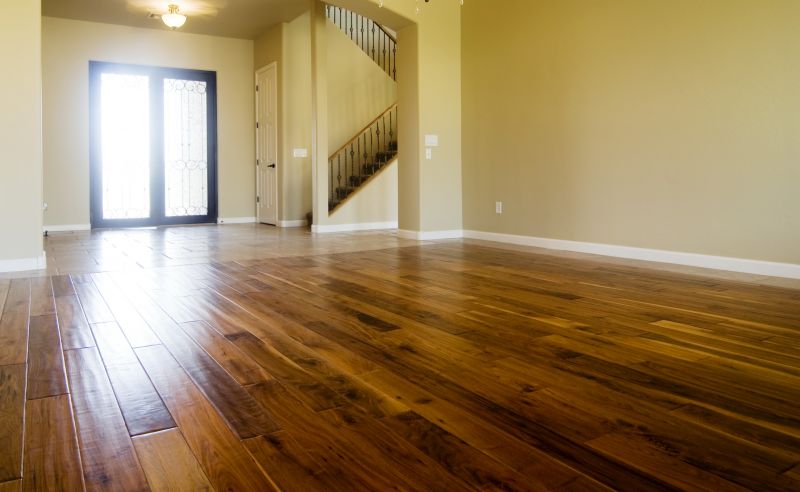
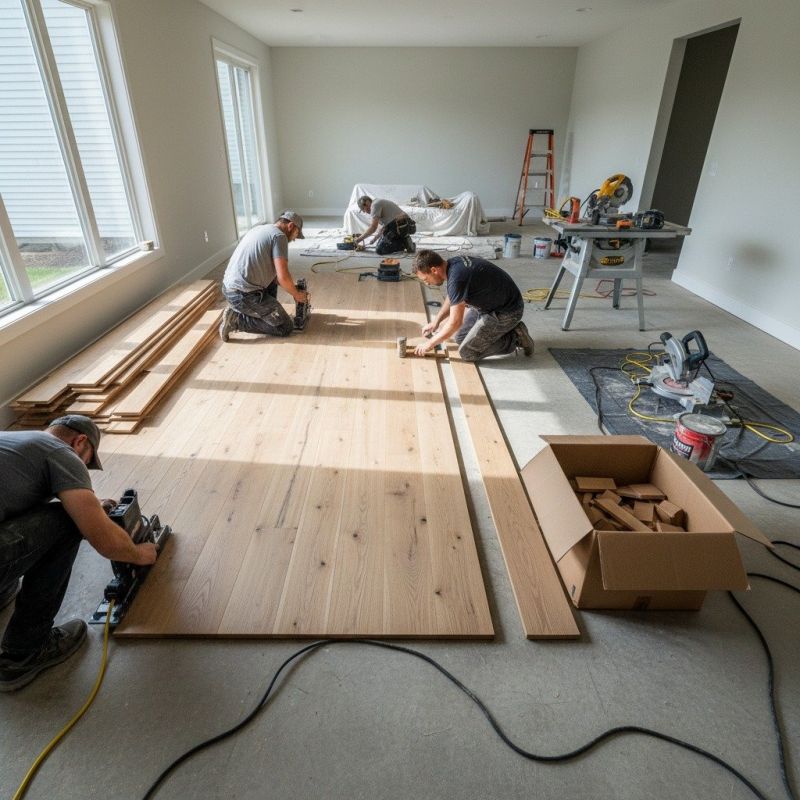
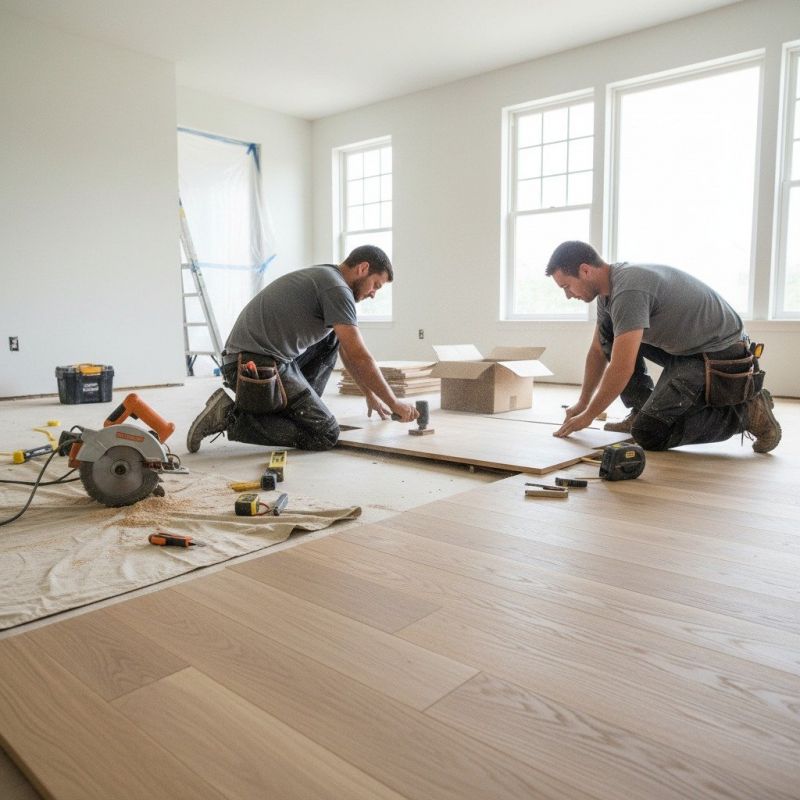
When homeowners search for information about hardwood floors installation versus engineered wood flooring, they are typically exploring options for upgrading or replacing existing flooring in their homes. Many are considering new flooring projects for living rooms, kitchens, or bedrooms and want to understand the differences between these two types of wood flooring. The decision often hinges on factors such as durability, appearance, installation methods, and how well each option suits the specific conditions of the property. This topic is relevant to those planning a renovation, building new spaces, or simply looking to improve the aesthetic appeal of their home’s interior with a long-lasting, attractive flooring solution.
Issues surrounding moisture levels, subfloor conditions, and the overall environment of a property frequently come into play when evaluating hardwood floors installation versus engineered wood flooring. Homeowners may face challenges like uneven subfloors, fluctuating humidity, or the need for a quick installation process. These considerations influence whether they should pursue traditional hardwood installation or opt for engineered wood, which often offers greater stability in variable conditions. Service providers specializing in flooring installation can assess these factors on-site and recommend the best approach to ensure a durable, visually appealing result that aligns with the homeowner’s plans.
The types of properties that typically feature these flooring options vary widely, from single-family homes and condominiums to multi-story residences and even commercial spaces. Larger homes with stable subfloor conditions might be suitable for solid hardwood flooring, which can be sanded and refinished multiple times. Conversely, properties with basements, high humidity, or uneven subfloors often benefit from engineered wood flooring, which provides a more stable alternative. Local contractors experienced in hardwood and engineered flooring installation understand the nuances of different property types and can help homeowners choose the right flooring solution to match their property’s unique characteristics and their aesthetic preferences.
Understanding the differences between hardwood floors installation and engineered wood flooring helps homeowners make informed decisions about their renovation projects. It clarifies how each option interacts with the specific conditions of their property and what kind of installation approach is necessary. Local service providers who specialize in these types of flooring can evaluate the property’s needs, recommend suitable materials, and perform the installation with attention to detail. This ensures that the chosen flooring not only enhances the home’s appearance but also stands up to daily use and environmental factors, making it a practical investment for any property upgrade.
Subfloor Preparation - proper subfloor assessment and preparation skills are essential for both hardwood and engineered wood flooring installations, ensuring a stable and long-lasting surface.
Flooring Removal and Disposal - removing existing flooring and preparing the area is a common step that shares tools and planning with hardwood and engineered flooring projects.
Surface Leveling and Repair - fixing uneven or damaged subfloors is a key part of ensuring a smooth foundation for both types of wood flooring.
Measuring and Layout Planning - precise measurements and layout planning are critical for efficient installation of hardwood and engineered wood floors, reducing waste and ensuring aesthetic appeal.
Transition and Threshold Installation - installing transition strips and thresholds to connect different flooring types or room sections involves skills applicable to both flooring projects.
Material Handling and Storage - proper handling and storage of wood flooring materials are important for preserving quality during installation, whether for hardwood or engineered options.
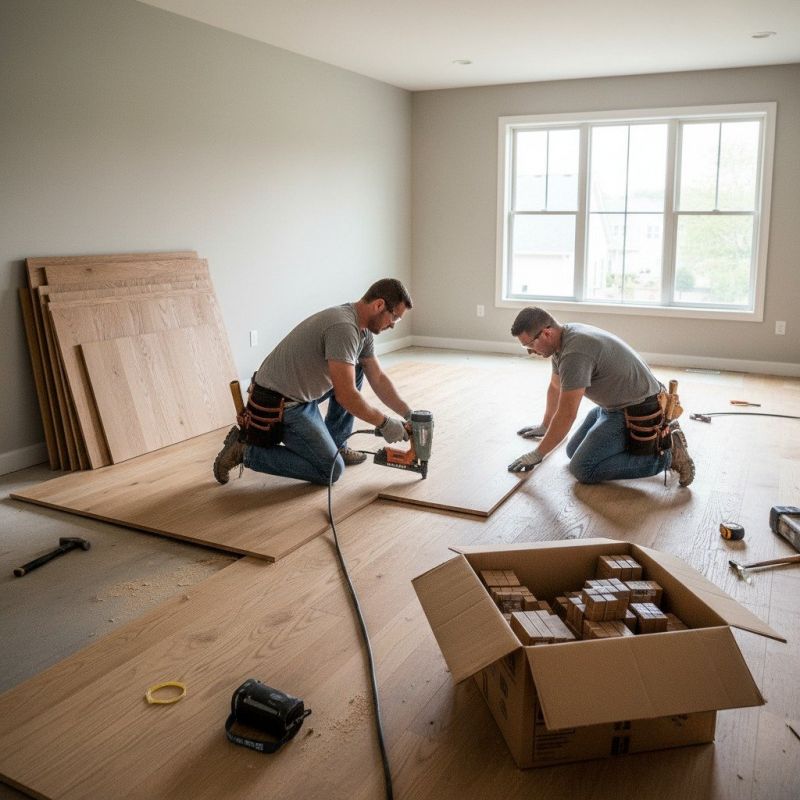
When comparing service providers for hardwood floors installation versus engineered wood flooring, it is important to evaluate their experience with similar projects. Homeowners should inquire about the types of flooring projects the contractors have completed in the past, focusing on installations involving both hardwood and engineered wood options. A contractor with a proven track record handling these specific types of flooring can provide insights into the unique requirements of each, such as subfloor preparation, acclimation processes, and finishing techniques. This familiarity can help ensure that the chosen service provider understands the nuances of each flooring type and can deliver results that meet expectations.
Clear written expectations are essential when selecting local contractors for flooring projects. Homeowners should seek detailed proposals that outline the scope of work, materials to be used, steps involved in the installation process, and any warranties or guarantees offered. Having this information in writing helps prevent misunderstandings and provides a reference point throughout the project. It also allows homeowners to compare different service providers more effectively, ensuring that each contractor’s approach aligns with their goals for the project, whether they are installing traditional hardwood floors or engineered wood flooring.
Reputable references and good communication are key factors in choosing the right local pros for flooring installation. Homeowners can ask contractors for references from previous clients who had similar work done, providing an opportunity to learn about their experiences, quality of work, and professionalism. Additionally, service providers who demonstrate clear, prompt, and transparent communication throughout the consultation process are more likely to foster a positive working relationship. Effective communication ensures that questions are answered, concerns are addressed, and the project progresses smoothly, ultimately leading to a more satisfactory outcome whether installing hardwood or engineered wood flooring.
Get a Quote for Hardwood Or Engineered Flooring Installation
Property owners often search for hardwood floors installation vs. engineered wood flooring when they are planning practical projects around their homes and businesses. Local pros provide Hardwood or Engineered Flooring Installation services for everyday jobs and straightforward project options.
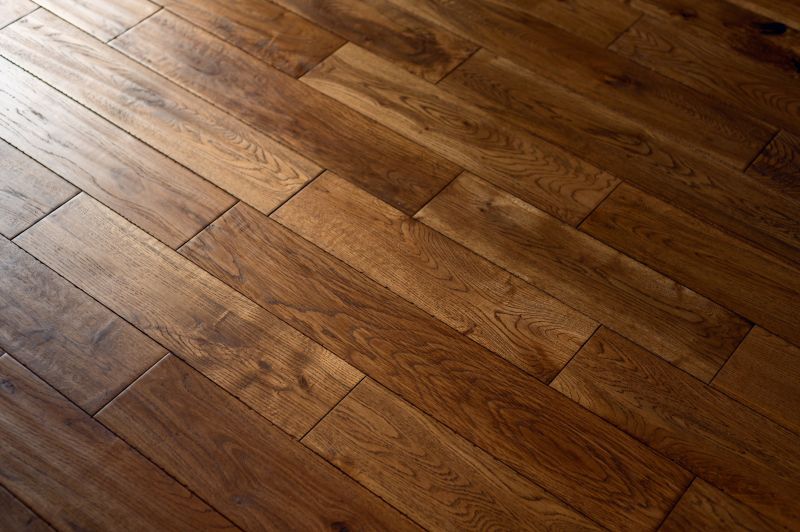
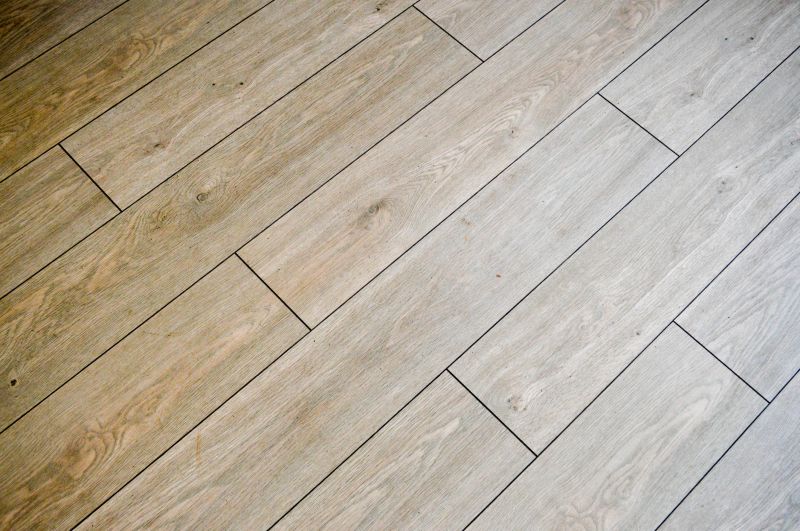
When considering flooring options for a home renovation or upgrade, property owners often compare hardwood floors installation with engineered wood flooring to determine which best suits their needs. Hardwood flooring provides a classic, timeless look and can add significant value to a property, making it a popular choice for those seeking durability and aesthetic appeal. Engineered wood flooring, on the other hand, offers a more versatile solution that can perform better in environments with fluctuating humidity or in spaces where a quicker installation process is preferred. Local contractors can help evaluate the specific conditions of a space and recommend the most suitable option based on factors like subfloor type, room usage, and long-term maintenance.
Many property owners look into these flooring types when planning a new installation or replacing existing floors, especially if they want a durable, attractive surface that fits their lifestyle. Choosing between hardwood and engineered wood flooring often depends on practical considerations such as installation complexity, moisture resistance, and budget. Local service providers experienced in both types can assist with expert advice, helping homeowners understand the benefits and limitations of each option. Whether opting for the authentic feel of hardwood or the stability of engineered wood, connecting with local pros ensures the project is handled efficiently and to the homeowner’s expectations.
Get a Quote for Hardwood Or Engineered Flooring Installation
What are the main differences between hardwood floors installation and engineered wood flooring? Hardwood floors installation involves placing solid wood planks directly onto a subfloor, while engineered wood flooring uses layered plywood with a hardwood veneer, offering different stability and installation options.
Is one type of flooring better for areas with high humidity? Engineered wood flooring tends to perform better in humid environments due to its layered construction, making it less prone to warping compared to traditional hardwood floors installation.
Can local contractors install both hardwood and engineered wood flooring? Yes, many local service providers are experienced in installing both types of flooring, allowing homeowners to choose based on their needs and preferences.
What factors should be considered when choosing between hardwood floors installation and engineered wood flooring? Consider factors such as room moisture levels, subfloor type, desired appearance, and long-term durability when deciding between the two options with the help of local pros.
Are there differences in installation methods for hardwood floors versus engineered wood flooring? Yes, hardwood floors typically require nail-down or glue-down methods, while engineered wood can often be floated, glued, or nailed, depending on the product and subfloor conditions, which local contractors can advise on.
Assessing durability needs - Property owners can consider the expected foot traffic and environment to choose between hardwood floors installation vs. engineered wood flooring, with local contractors providing guidance on suitable options.
Matching style preferences - Homeowners can explore different finishes and plank styles to complement interior decor, with local service providers helping select the best flooring type for aesthetic goals.
Evaluating installation conditions - For spaces with varying subfloor types or moisture levels, property owners might opt for engineered wood flooring or hardwood installation, with local contractors advising on proper preparation and installation methods.
Planning for future renovations - Those considering potential remodeling or flooring updates can discuss long-term plans with local pros to determine which flooring type offers easier maintenance or replacement options.
If you are thinking about hardwood floors installation vs. engineered wood flooring for a property, this guide is meant to help you understand this topic, the typical project types, and how different options might fit your plans.
When you are ready, you can use the quote form on this page to share a few details about your project. From there, local pros can review the basics and follow up with options that match what you have in mind.
Get a Quote for Hardwood Or Engineered Flooring Installation